The result should prove the engineering

A case study should not simply list the services performed.

It should show the problem, the engineering decision, the work completed, the verification and the final outcome.
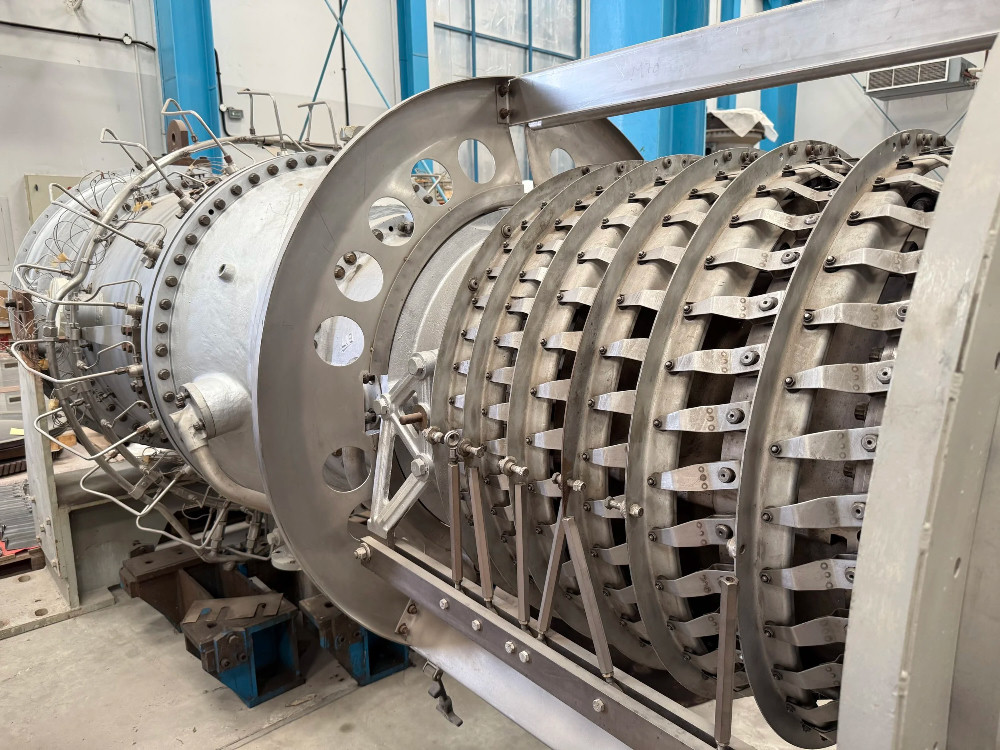
Obsolete Turbine Component

Challenge
An original component was obsolete, unavailable or subject to an impractical delivery time.
Engineering
The component was inspected and the appropriate repair, reverse engineering or manufacturing solution was determined.
Verification
The completed work was inspected and tested against the required criteria.
Outcome
Documented return to service or verified component replacement.

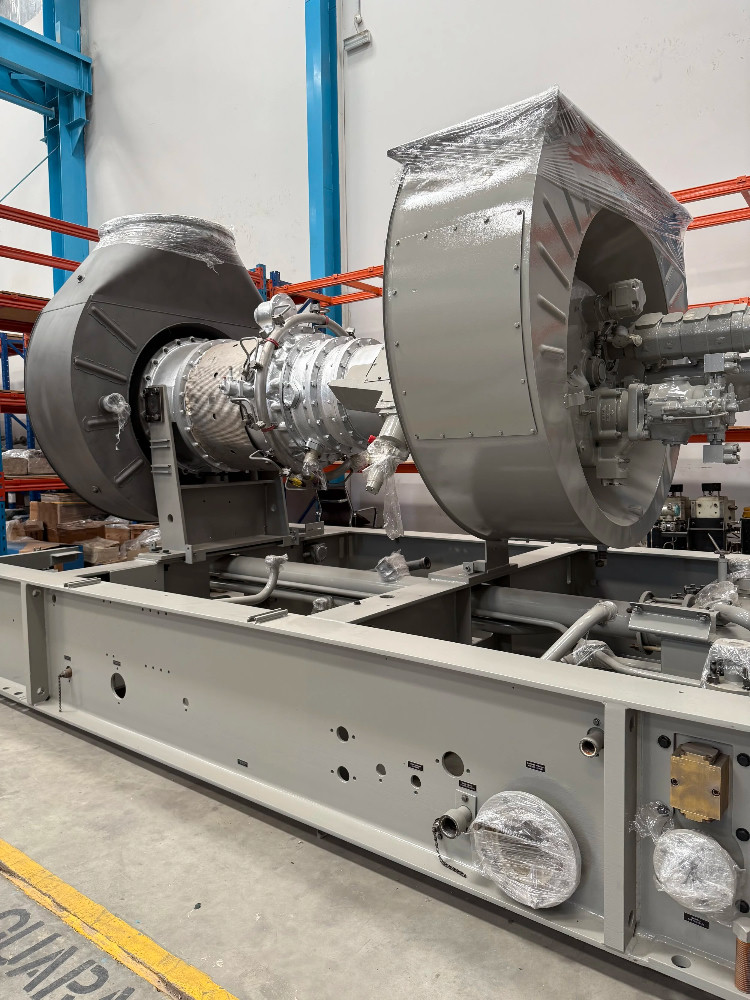
Packaged Pump Solution

Challenge
The application required more than a standard pump supply.
Engineering
The equipment and package were selected or engineered around the operating requirement.
Verification
Integration and commissioning confirmed the completed solution.
Outcome
A complete package prepared for the intended application.

Control Valve Refurbishment

Challenge
Wear, failure or performance issues affected the valve.
Engineering
Inspection identified the required repair or refurbishment scope.
Verification
Testing confirmed the completed work.
Outcome
Documented return to service.

Every project should answer six questions

What was the problem?

Define the equipment issue, constraint or commercial challenge that triggered the work.

What did engineering find?

Record the inspection, measurements or technical findings that shaped the decision.

What was decided?

Explain why the selected repair, manufacturing, supply or replacement route was chosen.

What was done?

Show the engineering and execution steps completed on the equipment or component.

How was it verified?

Document the inspection, testing or checks used to confirm the completed work.

What was the result?

State the final outcome and, where publishable, the measurable impact.

That is the proof behind the work.